
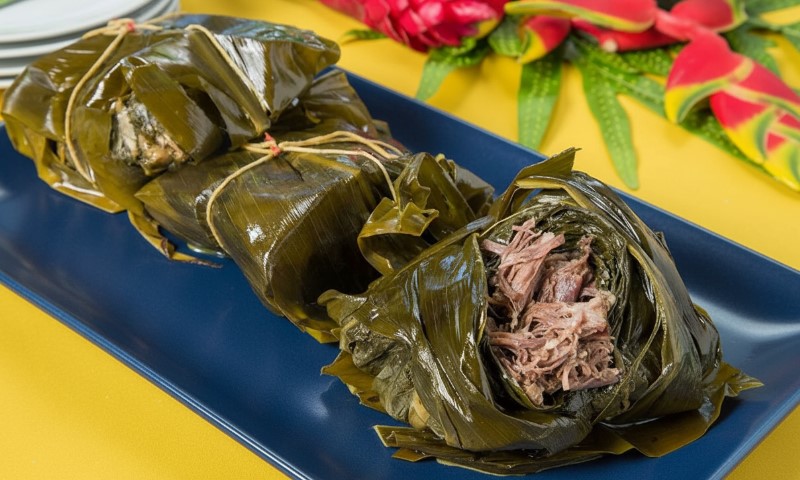
Few dishes capture the spirit of the islands quite like Hawaiian lau lau. This beloved traditional Hawaiian food brings together tender pork, salted butterfish, and earthy taro leaves into one unforgettable bundle. Steamed for hours until everything melts together, the lau lau dish has been a cornerstone of island cooking for generations.
Making an authentic Hawaiian recipe at home is easier than most people think. Fatty pork butt or belly gets cut into small chunks and paired with seasoned black cod. The filling is wrapped in soft luau leaves from the taro plant, sealed inside sturdy ti leaves, and left to steam until every bite is rich and tender.
This Hawaiian soul food holds a treasured place at luaus, family gatherings, and everyday meals across the islands. Restaurants like Helena’s Hawaiian Food and Highway Inn in Honolulu have built loyal followings around their versions of this classic. Yama’s Fish Market and Poi by the Pound are go-to spots for takeout, while the Keoki brand sold at Costco brings it to kitchens across the state.
With the right ingredients and a few hours of patience, anyone can recreate this iconic dish at home. This guide breaks down every step — from selecting leaves to mastering the wrap — so the results taste just as good as what comes out of a traditional Hawaiian kitchen.
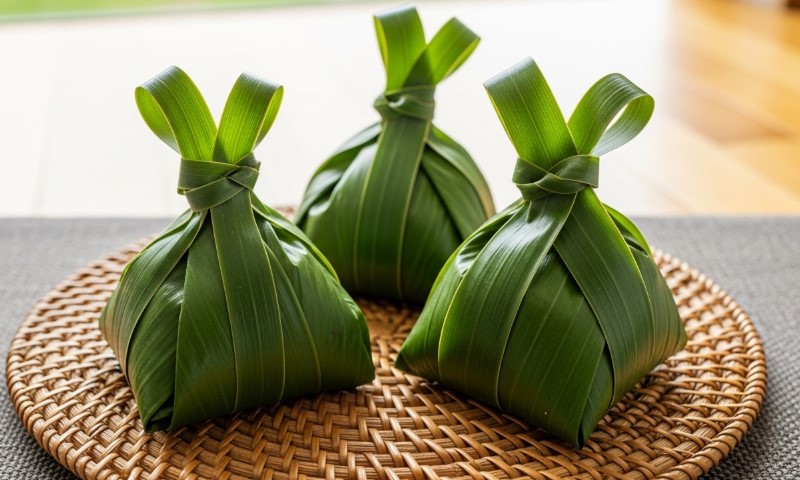
Lau Lau Recipe: Traditional Hawaiian Dish Made Simple
Ingredients
Equipment
Method
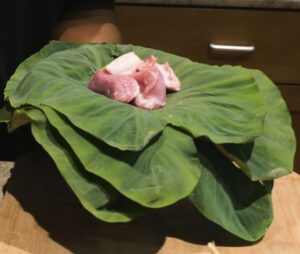
- Step 1: Prepare the Leaves:Wash luau leaves thoroughly and trim stems. Cut stems into small pieces and set aside. Wash ti leaves and remove the thick center vein to make them flexible.
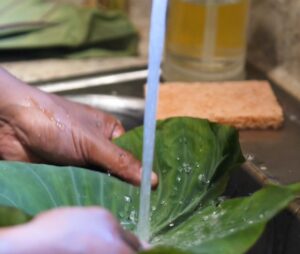
Step 2: Prepare the Filling:
In a bowl, combine pork belly, pork butt, and butterfish. Sprinkle evenly with Hawaiian sea salt. Add optional vegetables if using.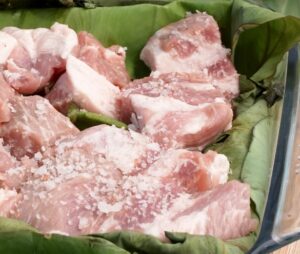
- Step 3: Assemble the Bundles:Stack 3–5 luau leaves (largest at bottom). Place a portion of meat mixture in the center. Fold leaves tightly around the filling. Place bundle onto 2 ti leaves arranged in a cross. Wrap securely and tie with leaf stems or twine.
Step 4: Cook the Lau Lau
Place bundles on a rack in a large pot with water below. Cover and steam for 3–4 hours. Check water levels periodically.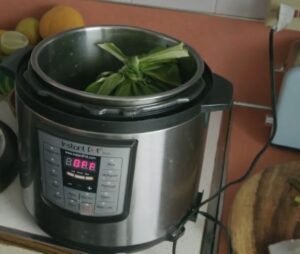
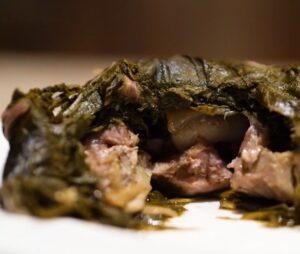
- Step 5: ServeRemove ti leaves (not edible). Serve hot with rice or poi.
Video
Notes
Cooking Tips
- Use a mix of pork belly and shoulder for best flavor and moisture.
- Ensure leaves are fully cooked to avoid bitterness or irritation.
- Wrap bundles tightly to trap steam and juices.
- Add a small piece of pork fat for extra richness.
- If leaves are unavailable, foil works but reduces authenticity.
The Importance of Hawaiian Sea Salt
Hawaiian sea salt, known as Alaea salt, is essential. It contains red volcanic clay rich in iron oxide and about 80 trace minerals. Its larger grains are less salty than table salt, giving a balanced seasoning.
| Ingredient | Amount | Role |
|---|---|---|
| Pork belly and butt | 2–4 lbs | Primary protein and fat source |
| Butterfish (black cod) | ½ lb | Adds rich, silky flavor |
| Luau leaves | 12 leaves | Edible inner wrap |
| Ti leaves | 1 lb | Inedible outer wrap for steaming |
| Hawaiian sea salt | To taste | Mineral-rich seasoning |
Optional Additions: Sweet Potatoes and Vegetables
Some cooks add purple Okinawan sweet potatoes (½ pound) or cubed carrots for extra heartiness. Purists may skip vegetables entirely. It’s a matter of personal taste and family tradition. With all the lau lau ingredients prepped, the next step is preparing the leaves for wrapping.
Traditional and Modern Cooking Methods
View this post on Instagram
Cooking lau lau has evolved from the ancient underground imu oven to several kitchen-friendly techniques. Each method delivers that signature tender pork and silky, dark green leaves. The key is choosing the approach that fits your schedule and equipment.
Steaming for Tender Results
The steaming method is the most traditional stovetop approach. Place wrapped bundles on a rack inside a large pot, keeping them above the water line. Steam for 3 to 4 hours until the pork is fork-tender and the ti leaves shift from bright green to a deep, dark shade. Check water levels every hour and add more as needed.
Instant Pot and Pressure Cooker Instructions
For those who love Instant Pot Hawaiian food, this pressure cooker recipe cuts cooking time dramatically. Set a trivet at the bottom of the pot and add 1 to 2 cups of water. Stack bundles to about two-thirds full. Cook on high pressure for 60 to 90 minutes, using natural release. If the meat isn’t quite tender, add 10-minute increments until it reaches the right texture.
| Cooking Method | Time Required | Equipment Needed |
|---|---|---|
| Stovetop Steaming | 3–4 hours | Large pot with steamer rack |
| Instant Pot / Pressure Cooker | 60–90 minutes | Electric pressure cooker with trivet |
| Slow Cooker | 8 hours on low | 5-quart crock-pot |
Low-and-Slow for Convenience
Slow cooker lau lau is perfect for a hands-off cooking day. Line a 5-quart crock-pot with 4 ti leaves, shiny side up, forming a basket along the sides. Place bundles seam-side down and pour 1 cup of water over them. Cover with remaining leaves, shiny side down. Cook on low for 8 hours — never use the high setting. Undercooked luau leaves can cause uncomfortable mouth itching due to calcium oxalate crystals that haven’t fully broken down.
- A rice cooker with a steam tray works for smaller batches.
- Oven baking at 350°F wrapped in foil is another modern option.
- All methods should produce leaves that are dark green and completely soft.
Once the bundles are cooked through, it’s time to plate them alongside classic Hawaiian sides for a complete meal.
Common Variations and Dietary Adaptations
One of the best things about lau lau is its flexibility. The dish represents a cooking method, not a rigid recipe. This means cooks across Hawaii put their own spin on it. From protein swaps to plant-based versions, lau lau variations let everyone enjoy this beloved dish. Let’s explore the most popular dietary adaptations.
Chicken and Beef Substitutions
Health-conscious diners often replace pork with chicken thighs. The dark meat stays moist during long steaming. Purists argue that the small pork fat nugget is essential for authentic flavor. Beef versions use country-style ribs or corned beef to match the fatty richness of traditional pork. Leaner cuts work but sacrifice some of that melt-in-your-mouth texture.
Creating Vegan Lau Lau with Local Vegetables
The vegan Hawaiian food scene has embraced lau lau in creative ways. ‘Ai Love Nalo, a popular plant-based restaurant, wraps three Hawaiian staples — kalo (taro), ‘ulu (breadfruit), and ‘uala (sweet potato) — in luau and ti leaves. They steam the bundles and top them with warm housemade coconut sauce. Fresh-caught fish of the day is another alternative beyond the classic butterfish.
Regional Differences Across Hawaiian Islands
Regional Hawaiian cuisine varies from island to island. Some areas add turkey tails for extra fat content. Spots like Helena’s Hawaiian Food and Waiahole Poi Factory spell it “laulau,” while Yama’s Fish Market and Highway Inn write it as “lau lau.”
| Variation | Key Ingredient | Best For |
|---|---|---|
| Traditional Pork | Pork butt with fat | Authentic flavor |
| Chicken | Chicken thighs | Lower fat content |
| Beef | Country-style ribs | Rich, hearty taste |
| Vegan | Taro, breadfruit, sweet potato | Plant-based diets |
| Fish | Fresh catch of the day | Lighter meals |
No matter the filling, each version honors the spirit of this traditional dish.
FAQs
Summary
Following an authentic lau lau recipe at home is a meaningful way to honor a centuries-old Hawaiian cooking tradition. The dish brings together sacred elements of island culture — from the kalo plant’s luau leaves to the protective ti leaf wrapping. Every step in the process reflects the deep respect Hawaiians hold for their land and heritage.
Success with homemade lau lau comes down to a few key factors. Fatty pork, salted butterfish, well-prepared leaves, and genuine Hawaiian sea salt form the foundation. Patient cooking — at least three to four hours — ensures the meat turns tender and the luau leaves break down fully. Skipping this step can leave the leaves undercooked, which may cause mouth irritation.
Modern tools like the Instant Pot from Instant Brands and standard slow cookers now make this dish accessible to cooks across the United States. These methods cut down on time and effort while keeping the flavors true to the original. Many island families still prefer gathering in large groups to prepare big batches, keeping the communal spirit of the luau alive.
Whether served at a backyard celebration or a weeknight dinner table, homemade lau lau carries the soul of Hawaiian culture in every bite. It connects people to generations of island life, reminding them that food is more than nourishment — it is identity.